TEA & CAFFEINE
A bitter enemy or a powerful friend

In the years we have been sourcing, serving & sharing tea one of the most common questions we get asked is about caffeine levels in tea. It’s not a simple topic but with a bit of knowledge, informed decisions can be made if required. In this substack we explore Caffeine in more detail looking at why it is produced and how this is impacted by such factors as terroir, processing and brewing.
What is Caffeine?
Caffeine is a naturally occurring psychoactive compound that is found in the leaves, fruits, nuts and seeds of over sixty plant species. The most common sources are tea leaves, coffee beans, cacao leaves, kola nuts and the seeds of guarana berries. It is soluble in water and so is extracted when brewed.
When talking tea, it’s important to know that all true teas (in other words, those made from the Camellia sinensis plant) contain caffeine. Other beverages labelled tea but not from this plant may well not be caffeinated.
Caffeine is a methylxanthine, a bitter-tasting compound mainly produced naturally by plants to discourage the nibbling of new buds or the damaging of shoots. As well as tasting unpleasant it can also poison or paralyse attacking insects.
In this case amount of caffeine produced by a plant is related to the threat posed to it by insects, but more insects overall at one moment does not necessarily mean a greater amount will be found in the leaf. The level is mainly governed by an evolutionary adaptation to the environment rather than just the immediate situation. Plants that grow in areas with a historic higher concentration of harmful pests will produce more caffeine.
However, studies do show that this baseline can be boosted by the synthesis of more caffeine by the plant when it is under attack by insects. This response is not takes days or weeks rather than being instantaneous. Consistent attacks can go on to permanently alter the level.
Plants also have targeted responses to attacks which involves the redirection of caffeine to affected leaves and buds when a defensive mode is triggered.
Small amounts of caffeine are also produced for other reasons. When leaves fall to the ground and decompose they release caffeine which then acts at a herbicide or weed killer. This protects the plant from competitors.
Another fascinating use is as a pollinator booster. Plants secrete caffeine in their nectar and when this is consumed by visiting insects (especially bees) it acts as a stimulant and gives them a buzz (no apology). This results in more motivation to return to that flower and also an enhanced memory of the location.
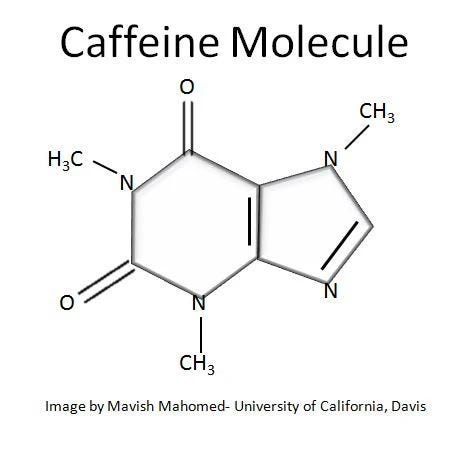
It might be coming clear why It’s not possible to generalise about caffeine levels in tea, but here are some pointers that will allow good decisions to be made. The caffeine level in any particular tea depends on a wide range of factors.
The Plant
The first factor is the variety in the plant. There are two main varieties used to make tea. These are Camellia sinensis variation sinensis and Camellia sinensis var. assamica. ‘Assamica’ and ‘sinensis’ meaning ‘from Assam in North India’ and ‘from China’ respectively. The former has larger leaves of up to 20cm and can grow into trees up to 18 metres. ‘Sinensis’ plants tend to grow as a shrub and produces smaller leaves of 5-12cm. In general, Camellia sinensis var. sinensis plants tend to be lower in caffeine than var. assamica ones. So, for example, African teas that are mainly assamica are higher in caffeine than Chinese ones.
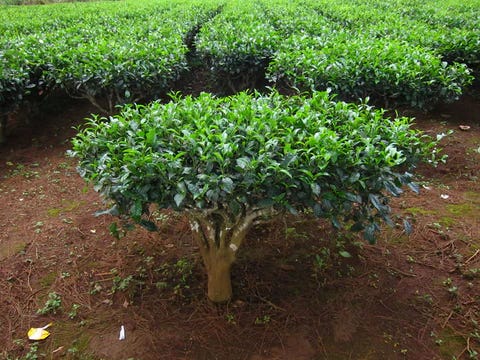
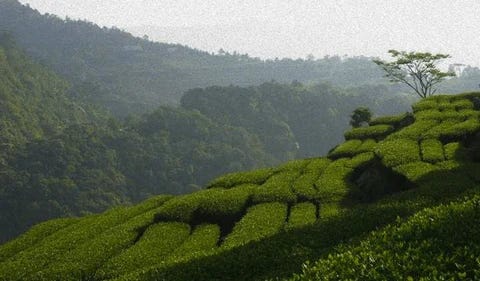
Plants also adapt to suit their environment, and those that adapt best thrive, whether this occurs naturally or deliberately. As discussed above a favourable adaptation may be a resistance to insects created by a higher level of caffeine. Another controlling factor is altitude: the higher the growing environment the lower the caffeine levels, presumably because a lower temperature and potentially windier and wetter environment is a less favourable habitat to predating insects. Variation in insect numbers is also why growing season is a factor: the faster growing season of summer produces higher caffeine levels than other seasons because there are more insects around.
The final element is how the plant is grown. If it comes from clonal vegetive propagation (a cutting fixed to root stock) rather than planted as a seedling, caffeine levels can be 100 percent higher. A real-life comparison is between new planting in Africa and old seedling planting in Asia. Older leaf, China- type seedling bushes, underfertilized in the autumn season have low caffeine levels of 1–1.5 percent. Well-fertilized, fast-growing young tips in African clonal plants can yield caffeine levels of between 5–6 percent.
Human impact
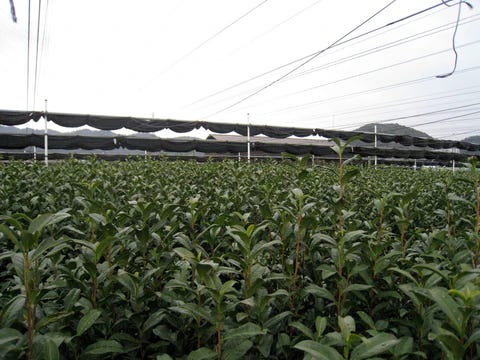
When a plant is given a lot of nitrogen fertilizer, caffeine is higher. This is common practice in Japan just before plucking to boost a teas rich umami flavour. Leaf shading while the plant is growing has a similar effect. Leaves for gyokuro, for example, can be shaded for around twenty days before picking. This increases caffeine but also an amino acid called L-theanine, which moderates the release of caffeine, so the higher caffeine level is released over a longer period of time, thus limiting the effect.
The part of the tea plant used is also important. A tea made from leaf buds has more caffeine than one using just leaf only. Young leaf buds, such as those used in Silver Needle white tea, have the highest concentration, as this is the part that needs most protection from insects. The higher the plucking standard , the higher the caffeine. For oolong teas, which are made using up to five large leaves on a stem, this leads to a reduced caffeine level. The lower, fully grown, older and therefore tougher leaves have less caffeine as the insects do not favour them.
Once the leaf is picked, its caffeine content can still change. The instant the leaf is picked it starts to wilt, a process in tea making called withering. Slow withering at a moderate temperature results in the highest caffeine. A long wither also means higher caffeine. Oxidation, another step in the processing of tea, reduces caffeine. Oxidation is an enzymatic reaction that causes a tea leaf to become darker and more astringent in taste. Green teas are not oxidised, whereas black teas are fully oxidised.
Roasting or baking of tea leaves (like in the processing of the Japanese green tea Houjicha, or oolongs like Dong Ding from Taiwan) encourages the caffeine molecules to dissolve into water present in the leaves, which is then evaporated. When studying tea baking in Taiwan the fine white bitter powder always present around the outlets from the baking units is extracted caffeine (yes I tasted it!).
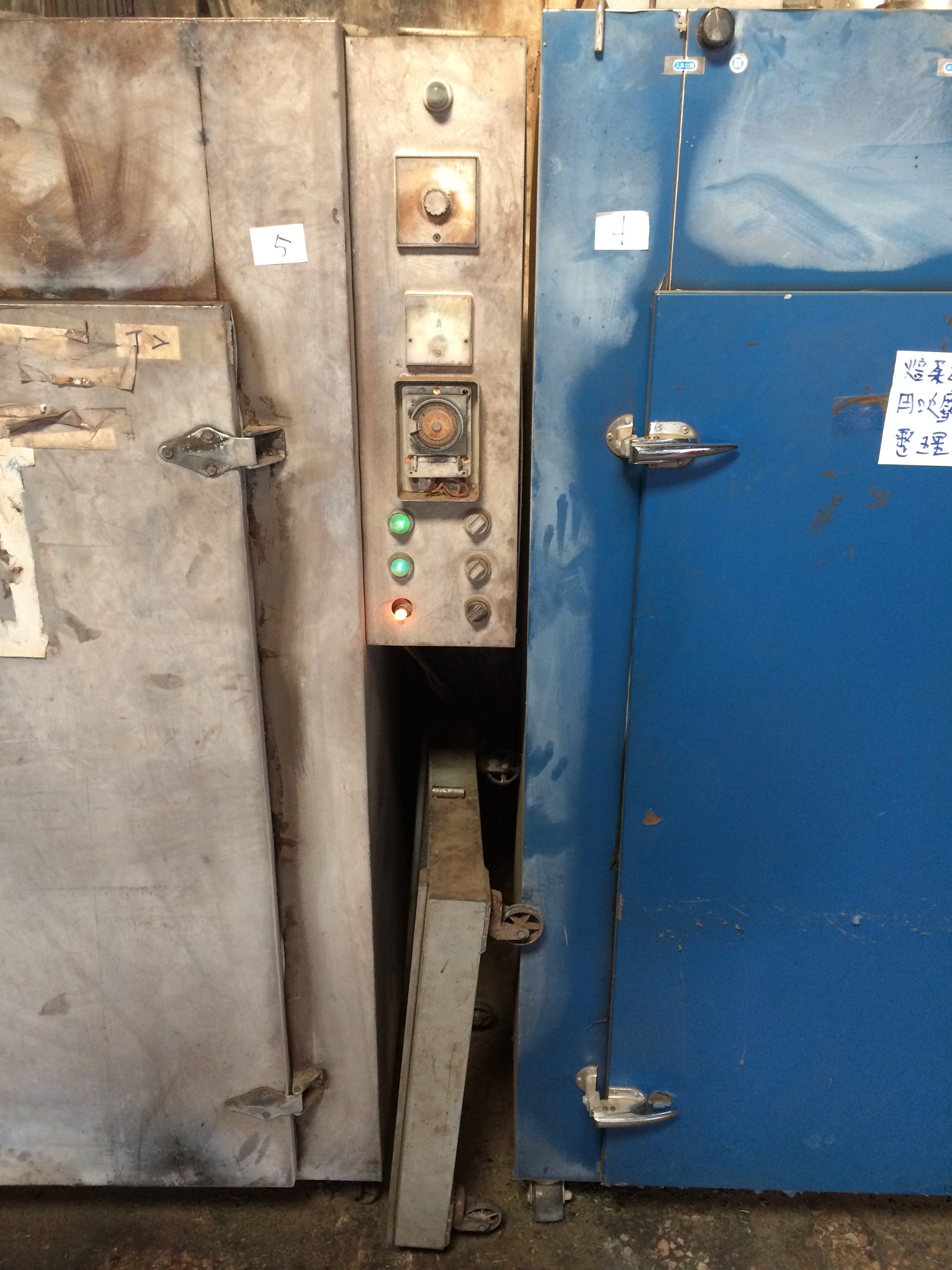
Finally ageing of tea into Dark teas such as Puerh reduces the caffeine content. Levels of course depend on the initial raw leaf used but over time the molecules break down. For other reasons Puerh can still be highly stimulating though!
Once the tea is in your cup, caffeine levels can still change. The higher the water temperature, the more caffeine is extracted. This is because with hotter water there is more kinetic energy between the water molecules, allowing a greater rate of dissolving of the soluble compounds in the tea (such as caffeine). Similarly the longer you brew the tea the more caffeine is extracted from the leaf. Broken leaf tea has a greater surface area leading to potentially higher amounts of dissolving.
A note on decaffeinated tea
This is a wide-ranging subject, but there are three basic processes, all of which involve adding a solvent to strip the caffeine from the leaf. The first is methylene chloride, which is now banned in the United States because of health risks. The second is ethyl acetate, a solvent naturally found in tea, which is less effective and harder to remove afterwards, leaving a chemical taste. The third and best way is using carbon dioxide at a high pressure and temperature, which attracts the caffeine but does not significantly alter the leaf. None of the processes available completely rid the leaf of caffeine, and they can leave chemical residue behind, greatly reduce the flavour or make a cheap tea expensive. We think it’s a better idea to explore the various caffeine-free infusions available.
Caffeine and Health
Despite its usually negative reputation, caffeine does have benefits. Fifteen years of serving tea has taught us that everyone reacts to caffeine differently, so along with every other food and drink we ingest listening to your body when consuming is key.
On its own caffeine has been shown to promote digestion (which can help weight loss) and also to help cardiac function.
However it is in combination with another constituent of tea where we feel caffeine’s largest benefit lies. As mentioned previously caffeine is a stimulant, which promotes focus in the correct amounts but can push this too far into restlessness and over stimulation. However, as mentioned earlier tea also contains an amino acid called L-theanine which slows the release of caffeine into the body, increasing focus, mental clarity and calmness whilst preventing the jitteriness that can occur with just caffeine. Buddhist monks in China and then Japan, discovered this mindful awareness helped with long meditations. This is one of the reasons why teas use spread so far. Our experience in service certainly mirrors this effect.
Final thought
In conclusion, without chemically measuring each spoon of tea leaf you use it is impossible to say how much caffeine there is in it. All you can hope to do is make a rough estimate, but for this you need to know where your tea is from, how it was grown, processed, picked and brewed. We aim to know all these things, and to provide this information to our customers. However, it can be hard to process, so if caffeine is something that is important to you for whatever reason the alternative is to experiment with how a tea affects you.
This may be the only way to truly know!
Fascinating! Plants really are remarkable aren’t they?
Incredibly interesting - I knew some of these factors which affected caffeine but definitely not all! This is such a big topic today and you captured the nuance